Workplace Accidents
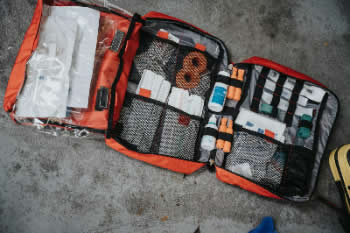 Workplace accidents are nowhere near as common as they used to be only a few decades ago, but they still exist in spite of all the regulations and safety measures. While some of these events are very mild, requiring minimal medical intervention and a very short recovery time, other injuries are much more severe, carrying a high likelihood of permanent disability and even death. Make sure to always wear the proper safety equipment and talk to your supervisors right away in case you discover something is not operating as it should in order to prevent or at least minimise the possibility of an accident taking place.
But what about cases where you become injured? What is the correct course of action, and how do you handle such a situation effectively?
Immediate Action
When a workplace accident occurs, you need to act quickly. Taking immediate action is crucial for both your health and your legal protection. The incident must be reported to the managers right away so that the log attesting to when your accident occurred and the circumstances that led to your being injured are fresh, so there's no doubt about their validity. This information can act as proof that you weren't responsible for the accident, so if you decide to look up a How To Sue Guide and demand compensation, you'll have a higher likelihood of being successful. Make sure that the proof you have is comprehensive, so aim to include photographic evidence, eyewitness accounts and security camera footage to strengthen your case.
Any future compensation claim depends on ensuring your accident is officially recorded and that your workplace is aware of it. Reporting accordingly also means that the hazard can be solved so that no other employee has to go through the same thing. This way, you help contribute to your workplace's safety culture and ensure the entire team carries out their tasks in perfect safety and security.
Medical Care
It goes without saying that you should seek immediate medical attention in the aftermath of an accident. If your wounds are minor, you might feel that there's no need to see a doctor, but acute health damage can take anywhere between several hours to several days to show symptoms. By that point, your symptoms can become severe, and treatment will likely become costlier and more uncomfortable. That's why it is always better to see your physician right away, regardless of the type of accident you've sustained. If the doctor confirms that there's no lasting health damage, you're free to resume your daily activities.
However, most patients are likely to receive some form of treatment and be advised to take a few days off. Those dealing with more complex injuries might have to follow long-term treatments, in addition to physical therapy, to regain the full range of motion in the joints and to strengthen their muscles. Those who have been confined to bed rest for a long time due to a bone fracture or tear in the ligaments are more likely to benefit from this so that they can return to their daily routine faster and more efficiently.
Remember that you can always discuss with your healthcare provider about changing your medication if the one you've been prescribed doesn't seem to aid with your recovery or if the side effects are so severe that they override the benefits. You should also keep all your medical records as they outline the amount you had to pay on your way to recovery. The total amount could potentially become part of the money you'll receive as compensation after filing your claim.
Emotional Support
Recovering your physical health is not the only thing you should take into consideration. Your emotional well-being can also suffer in the aftermath of an accident. Many victims develop anxiety or post-traumatic stress disorder, meaning they end up experiencing severe panic anytime they're in a situation that reminds them of the day of the accident or the events leading up to the occurrence. Flashbacks are common, and exposure to similar stimuli can be downright traumatic for many. Those who suffer life-altering injuries might also deal with depression as a result of the lifestyle changes they have to make to accommodate their disability. Others might simply find it difficult to accept that their recovery period will be lengthy and that they have to postpone all of their plans for the foreseeable future.
Emotional support is vital during these times, as distress and mental health complaints are common among people recovering from workplace accidents. Having a network of people at your side will help alleviate the emotionally draining feelings you're dealing with. Don't hesitate to reach out to your friends or family during these trying times so that you can discuss the challenges you're facing. It might seem unlikely, but simply talking about your problems will alleviate some of the burden. If you require professional assistance, there's always the option of getting help from a therapist who can help you find perspective and develop the right coping mechanisms to help you move on.
Joining a support group is the best idea if you feel that a sense of community is what's missing from your recovery process. Sharing your experience with others and learning more about what they've experienced as well can provide you with comfort and the knowledge that you're not alone.
Conclusion
Becoming injured at work used to be a very common occurrence, but the implementation of stricter safety protocols has reduced the incidence of these events, creating a work environment that is far more secure. Yet, accidents can still occur sometimes. While following the prevention methods is crucial, this is sometimes just not enough to ensure an occupational hazard won't happen.
If you are injured yourself, make sure to report the accident as soon as possible. Follow your doctor's instructions and remember to prioritise your mental health as well.
Following all these steps guarantees a faster road to recovery so that you can return to your regular life soon and with as little disturbance as possible.
Image source: https://unsplash.com/photos/orange-white-and-black-bag-MaKsx8JNbiI
Read more articles for job seekers and those already in a job